Policies & Regulations
You Want to Sell Your GMADA Property — But What If It Is Still Under Mortgage?
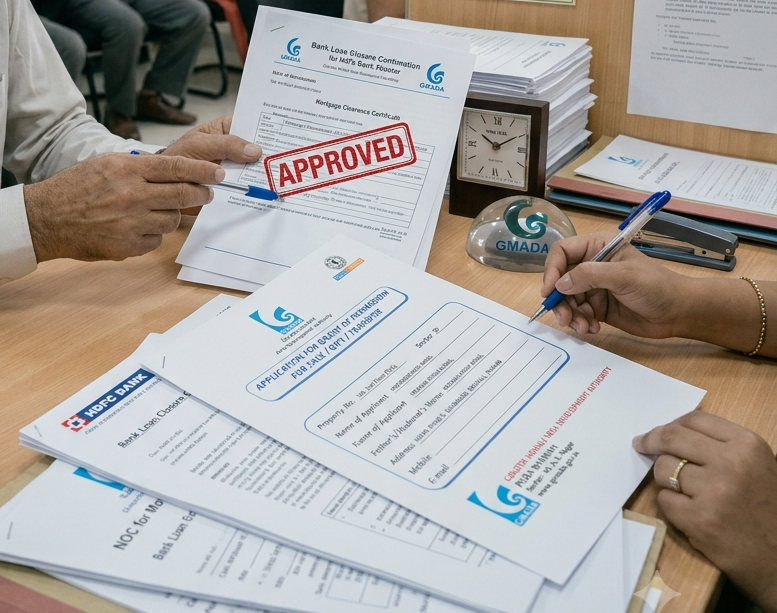
Imagine you have found a buyer for your GMADA plot or house. The price has been discussed, both sides are ready to move forward, and you are expecting the sale to go smoothly.
Then one question comes up: Is the property still under mortgage?
Perhaps you took a bank loan to purchase it. Maybe you borrowed money against the property to meet another financial need. Or perhaps you repaid the loan several months ago but are unsure whether the mortgage has been formally released.
Whatever the situation, this is an important detail to check before finalising the sale. A property mortgage can affect the documents, permissions and clearances needed for a transfer. If you discover an unresolved issue at the last moment, your sale may face delays while you arrange the necessary paperwork.
So, what should a property owner know before selling a GMADA property that is linked to a loan?
What Does It Mean When Your Property Is Under Mortgage?
A mortgage generally means that a property has been used as security for a loan. For example, a person may mortgage a plot, house or commercial property to obtain financing from a bank or another lender.
You may continue to own the property, but the mortgage creates financial and legal obligations that must be dealt with according to the loan agreement and applicable requirements. This is why owning a property and having the freedom to transfer it without further formalities are not always the same thing.
The important question is not simply whether you own the property, but whether any mortgage-related obligations or restrictions still need to be resolved before the transfer.
Can You Sell a GMADA Property If It Is Under Mortgage?
This is where property owners need to be careful. An existing mortgage does not automatically mean that a property can never be sold. However, you should not assume that you can complete the transfer without addressing the loan and the applicable GMADA requirements.
The process depends on factors such as the outstanding loan, the lender's conditions, the property's documents and the permissions required for that particular transfer. For example, if you still owe money to a bank, you may need to coordinate with the lender to settle the outstanding amount and obtain the necessary release or clearance documents. The precise arrangement depends on the circumstances of the transaction. GMADA's applicable sale, gift or transfer procedure should also be checked to establish which documents and permissions are required.
The safest approach is to confirm the requirements before promising the buyer a final transfer date.
Three Situations Every Property Owner Should Understand
Not every mortgage-related situation is the same. Knowing which situation applies to you can help you decide what to do next.
1. Your Loan Is Still Running
You have an outstanding loan against the property and now want to sell it. Start by contacting your lender to find out the outstanding amount and the conditions for closing the loan or releasing the mortgage. Before proceeding, confirm how the lender's requirements fit with GMADA's applicable transfer procedure. Do not assume that the buyer and seller can simply complete the sale without resolving these matters.
2. You Have Repaid the Loan, but the Documents Are Pending
Perhaps you have paid every instalment, but you have not received the mortgage-release documents or formal confirmation that the loan has been closed. In this situation, contact the lender and ask for the necessary closure confirmation and release paperwork. Then check whether GMADA requires any further documents or record updates. Paying the final instalment is important, but you should also make sure that the documentary requirements have been completed.
3. You Are Unsure Whether a Mortgage Is Still Recorded
Sometimes an owner may not know whether an earlier loan has been formally cleared in the relevant property records. Instead of relying on assumptions, check the available documents and contact the lender or relevant authority to establish the current position. Resolving this uncertainty before negotiations advance can help avoid unnecessary complications later.
What Should You Check Before Accepting a Buyer?
Before finalising a deal, take a little time to check these important points.
- Outstanding loan: Confirm whether any amount remains payable to the lender.
- Mortgage-release documents: If the loan has been repaid, check that you have the required closure and release documents.
- Property records: Review your ownership and allotment documents along with any mortgage-related records.
- GMADA requirements: Confirm the current procedure and documents applicable to your property and proposed transfer.
- Transfer timeline: Discuss any pending clearance with the buyer before agreeing on a final completion date.
These checks can help you identify potential delays while there is still time to address them.
What If the Buyer Is Ready but Your Clearance Is Not?
This can be one of the most stressful stages of a property sale. You have found a buyer, but a document or clearance is still pending. The first step is to identify exactly what is missing. Is it the lender's confirmation, the mortgage-release paperwork, a required GMADA permission or another document?
Once you know the reason, ask the relevant lender or authority about the required process and the next steps. Keep copies of your applications, receipts and correspondence. Avoid promising that the transfer will be completed by a particular date until you understand the outstanding requirements. A little clarity at this stage can help both the buyer and seller make informed decisions.
Where Can You Check GMADA's Official Requirements?
For current procedures and property-specific guidance, begin with GMADA's official citizen-services website.
You should also contact the relevant lender if the property is linked to a loan. Requirements can vary depending on the property's status, the loan arrangement and the documents already available.
Before You Sell, Make Sure Nothing Is Left Unchecked
Selling a GMADA property involves more than finding the right buyer and agreeing on a price. If a mortgage is involved, the loan position, release documents and applicable transfer requirements deserve attention before the deal reaches its final stage. Whether your loan is still running, has already been repaid or appears in older property records, confirm the position rather than leaving it until the last moment.
Because when you are ready to sell your property, the last thing you want is an avoidable delay caused by paperwork you could have checked earlier.
You May Also Want to Know
For official GMADA citizen services, property-transfer procedures, forms and current requirements, visit gmada.gov.in.
For simple explanations and updates about GMADA and Greater Mohali, visit gmada.in.
Important Disclaimer
gmada.in is an independent information portal. It is not affiliated with, endorsed by, or operated by the Greater Mohali Area Development Authority (GMADA), PUDA, the Government of Punjab, or any other government department.